Intro
The design of your front yard will set the tone for the entire property. Having a good plan can add curb appeal as well as improve how you use your front yard on a daily basis.
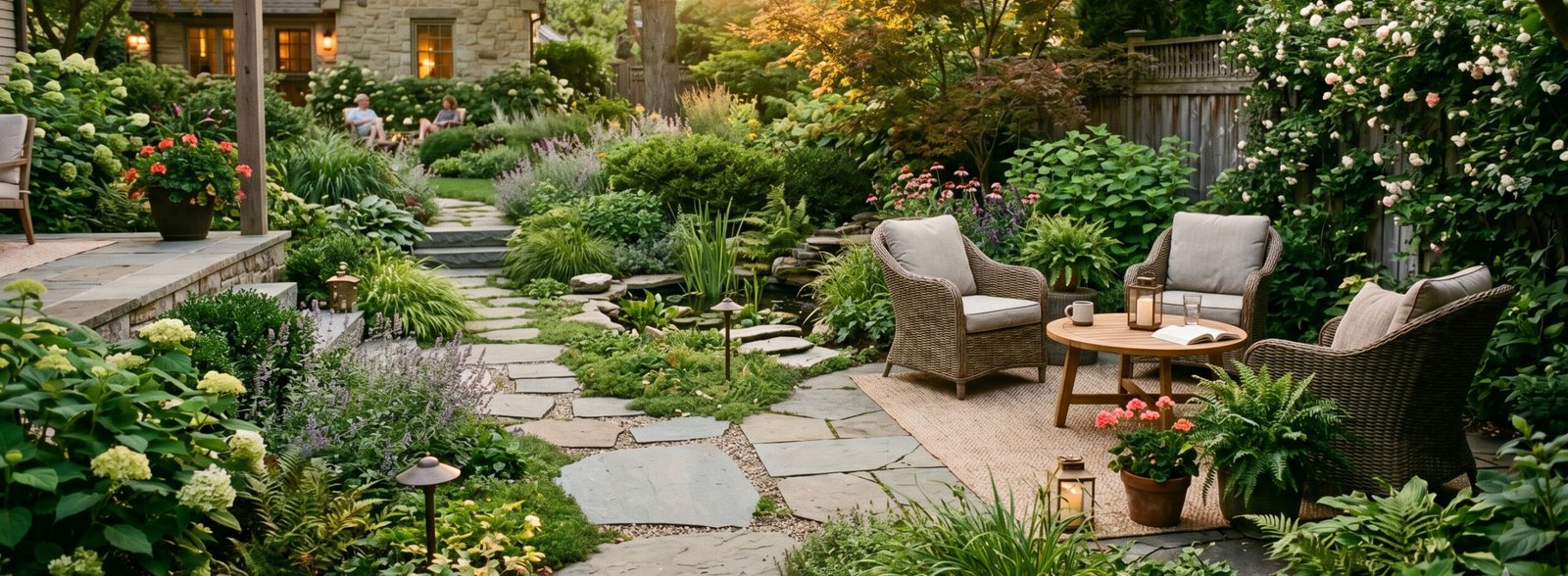
When choosing elements such as forms and plantings, consider what the style of your home is and use front yard landscaping ideas to help make those choices.
This article provides you with practical steps, data and examples as well as actionable advice for planning, planting and maintaining your front yard.
Planning your front-yard landscape is like building a house – you have to start with a good plan.
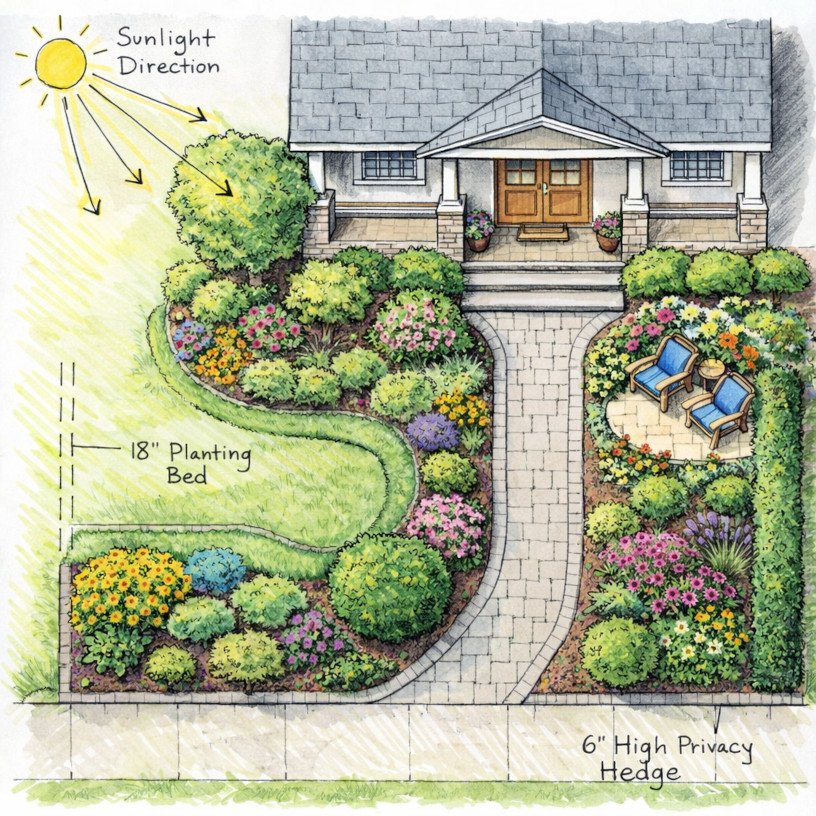
Take a simple site survey of the front yard. Measure how wide and deep it is. Take note of how much sunlight hits the yard at different times of the day, and whether the soil is clay or sand (or something else).
Label all paved areas including driveways, sidewalks, and utility easements. Determine what are the main uses of this space? Will it be an outside dining area? A children’s play space? An area for a showy flower garden? Create a rough sketch of this area to indicate the placement of walkways, gardens, and other focal points.
Scale the drawings to reflect the size and height of plants when they are mature. Use landscaping ideas for a front yard as a check list for your planning process. Make another version of the drawing showing a three-foot-wide walkway, eighteen-inch-wide planting bed, and six-foot-high privacy hedge where necessary.
Consider maintenance. Think about how people will get into this yard to mow the lawn, prune trees/shrubs, and do seasonal planting.
Choosing Plants and Hardscape Features
Plants That Make an Impact
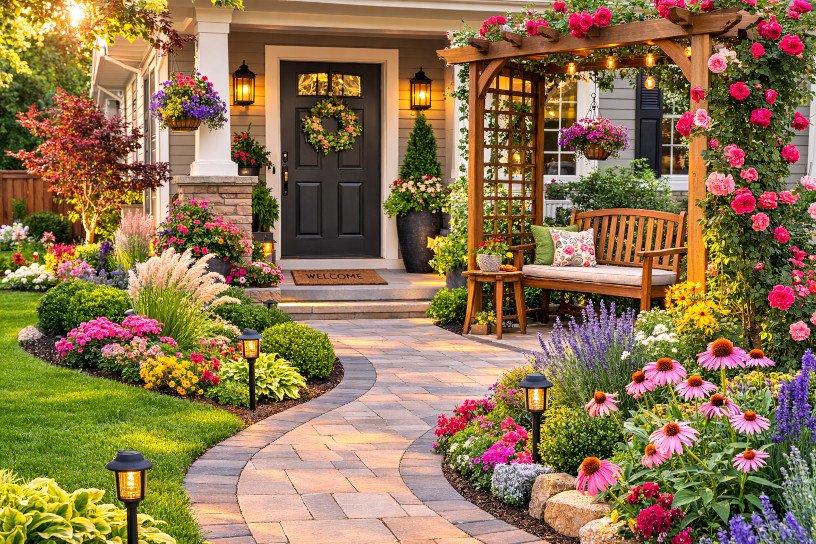
Choose plants that are suited to your local climate and amount of sunlight (morning or afternoons). Use a combination of evergreen types as the foundation of your design for a year-round form and add perennials for seasonal interest. Make sure you select plant sizes based on the maximum depth and visibility for each location.
Taller plants go near houses and lower-growing types near paths. If children or pets will be using the space, choose long-lasting plants. Regional examples of plants can be found here. For temperate climates, try boxwood, hydrangea, and daylily.
For dry climates, agave, lavender and native bunchgrasses work well. For shaded yards, choose hostas, ferns, and hellebores. Consider adding a groundcover to further reduce your lawn area and lower maintenance requirements. Thyme is a good choice in sunny conditions. Sedum is an excellent option for poor soil conditions.
When selecting a palette of plants, look at ideas for designing the front yard. Try to limit the number of plants you use to three to five, so that they all complement one another. Be sure to measure the mature width of shrubs and then determine how far they need to be spaced away from adjacent paving surfaces. For instance, a shrub which matures to a 4 foot wide spread, needs to be planted 4 feet away from paving.
Hardscaping Elements
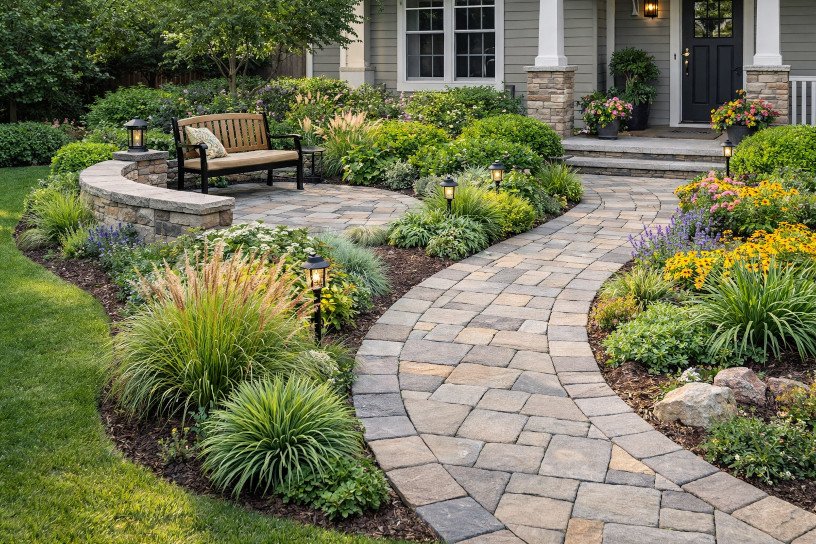
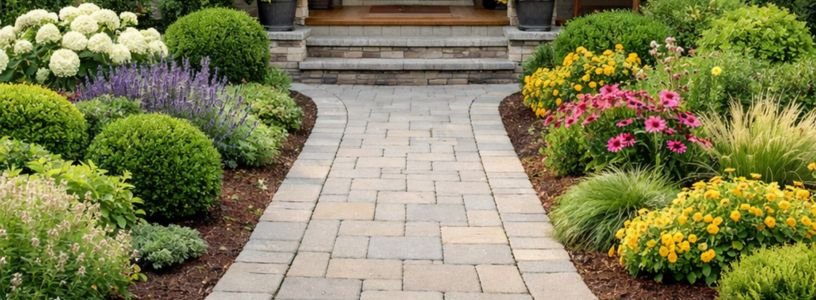
Identify the locations of your sidewalks and other areas you want people to gather on in your yard and use hard surface materials such as concrete, brick or pavers.
Pavers are best if they can drain water back into the ground. A gravel pathway will help to maintain clean lines and add a decorative touch to the area. Adding low stone walls to define areas of your plant bed and to create a place to sit is another great idea. Add steps wherever there is a change in elevation in your yard.
Install non-slip tread on each step and landing of your stairs. Installing a bench or creating an area the size of a small patio (no larger than 6 x 8 feet) will give you an opportunity to have a quiet sitting area. Install lights near the base of your stairs and throughout your main path to enhance visibility at night.
Choose a fence style that creates borders around your yard but does not obstruct your views. When selecting your materials for your front-yard landscaping, choose a palette that is similar to the trim on your home. Planting pockets adjacent to your pathways should be at least 18 inches wide so that roots do not damage your walkway.
Maintenance and Sustainability Considerations
Low-maintenance plants are an option when you’re looking to do the least amount of work as possible. Native plants tend to grow better on native soils than non-native plants and require less water.
Drought-tolerant ground covers can be used instead of lawn for areas that have been reduced in size (for example, a small section of your front yard) to eliminate the need for regular watering and mowing. Studies done through municipal programs indicate that water usage has dropped anywhere from 30% to 50% after replacing lawn with xeriscape type plantings.
Organic mulch should be spread over all plant beds at a thickness of 2-3 inches to help retain moisture and control weed growth.
Lay out drip irrigation tubing to run along roots of plants and set up the emitters to spray for 10 to 20 minutes early in the day.
Take a yearly look at your soil by using a simple test kit to check for pH and nutrient levels. If your soil is poorly draining, add compost to amend.
Create a watering plan based on the type of plants you’ve selected to landscape your front yard, for example, deep water drought tolerant shrubbery every 7 to 14 days and new planting every week during establishment.
Safety, Accessibility, and Practical Design
Design your path so it has a minimum of 36″ clear width to make it easy to walk. The slope should be as gradual as possible.
Install hand rails on any stairs that have more than three riser levels. Make sure you have good sight lines when exiting your driveway. Do not plant dense tall bushes near the corners of your home. Display your house number in such a location that a delivery driver does not need to enter your property to see it.
Use warm color LED lighting to illuminate the pathway and eliminate glare. Select a large format paver or textured concrete for the surface of walkways if you live in a high rainfall area to provide traction on slippery surfaces.
Trim back the bed material no closer than 6″ to the edge of the walkway. See our landscaping ideas for front yards for tips on how to evaluate sight line issues and safety features prior to planting. Plant trees no less than 10′ away from driveways to avoid damage to the driveway due to roots.
Popular Front Yard Styles & Examples
Select one front yard style that fits your house, and family lifestyle. Below are five styles with specific examples of each style.
Cottage Garden
Grow herb and pollinator perennials in the same bed. Coneflowers, Shasta Daisies, and Lavender work well planted in clusters of 3-5 plants at a time. A birdbath is an attractive focal point in the cottage garden. The cottage design will allow you to create irregular beds and curving pathways.
Modern Minimalist
Create a modern minimalist garden using clipped hedges, gravel beds, and very few varieties of plants. Create clean lines by using pavers in gravel. Create your colors from the leaf and foliage of the plants, limit the amount of blooms.
Traditional Lawn and Shrubbery
Create a small rectangular section of turf to add curb appeal. Use foundation shrubs and seasonal flowers around the perimeter of the lawn. Low border edging provides a clean edge to the lawn.
Mediterranean
Create a Mediterranean garden using clay pots with olive or citrus trees. Gravel paths and drought resistant shrubs provide low maintenance. Terracotta pots and limestone pavers are the best options for creating a Mediterranean garden.
Wildflower Meadow
Replace all of your turf grass with wildflowers. Wildflowers bloom at different times of the year so they will provide blooms throughout the spring and summer months. Creating a mowed border (minimum 12 inches) along the sidewalk provides a clean definition of the meadow.
When you are looking for a style, look at front yard landscaping styles. Select plants that will grow in your local area’s frost date and soil type. Find out what the local USDA Hardiness Zone is and select species that have ratings of at or lower than that number. When creating a sense of continuity use a single style element in an area close to where people enter (such as matching the color of the pots with the door trim).
Front Door Design Ideas
Paint your front door a contrasting color that will draw attention. Install a couple of matching pots on either side of your front porch stairs (matching means they are both the same color and size). Place a welcoming doormat at the entrance.
Add some light to the area by using lantern type lighting around the front door and using designer house numbers. Create a welcoming atmosphere from the outside of your home with beautiful plants and flowers by choosing porch colors and planters that match your front yard landscape design. Bring new life to your curb appeal by changing out your seasonal planters in the spring and again in the fall.
Front Yard Landscaping Ideas (FAQ)
What are the key factors to think about when planning your front yard landscaping design?
Identify the primary function of your front yard landscaping area (aesthetics, play area, seating area). Select plants and features that will assist you in achieving the purpose you have identified.
How can I select plants that use less water than traditional grasses?
Native plants and drought-tolerant plants will be good choices. Apply mulch and install drip irrigation systems that target the root zone of the plants.
Do I need to grow a lawn in my front yard?
No, there are many ways to create beautiful outdoor spaces that save both time and money through the use of ground covers, gravel and xeriscaping.
How do I increase privacy without blocking sunlight or views?
A waist-high hedge or an open lattice fence will allow for natural light to enter while also providing a degree of separation. For example, place taller plants in areas farthest away from the street to maintain a feeling of openness.
What are some helpful tips for maintaining a clean and tidy front yard landscape?
Mulch your flowerbeds, choose low-maintenance types of plants, maintain pruning schedules, and replace seasonal plants as they die out.
What are some safety considerations to include in your design?
Design your pathways wide and even. Install lights and ensure that sight lines at driveways remain unobstructed.
FINAL THOUGHTS
Design your project in stages. Begin with your pathways and hardscapes. Next add your major shrubbery. Lastly add your perennials and accent plants. Monitor your water usage after each stage. Your biggest task to perform in terms of maintenance will occur within the first 2 years as your plants develop their root systems. Track the number of plants that survive and grow in relation to what you selected. Replace any plants that fail to thrive during the dormant season. Using the measurement suggestions and plant examples to help you avoid making educated guesses in the creation of your garden project.