


Complete guide
How much does a new driveway cost?
A new driveway in the U.S. typically runs $7–$20 per square foot depending on material — meaning a standard 600 sq ft two-car driveway lands between $4,200 and $12,000. This guide breaks down the four main driveway materials with honest tradeoffs, the base prep that determines whether your driveway lasts 10 years or 40, and the regional and access factors that move the price the most.
The four main driveway materials, compared
Driveway material choice is mostly about climate, budget, and how much maintenance you're willing to do:
- Asphalt ($4–$10/sq ft). Cheaper than concrete, faster to install, tolerates ground movement well. Needs sealcoating every 2–4 years. Softens in extreme heat. Shorter lifespan — 15–25 years.
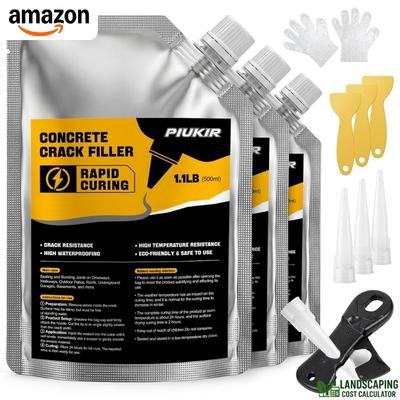
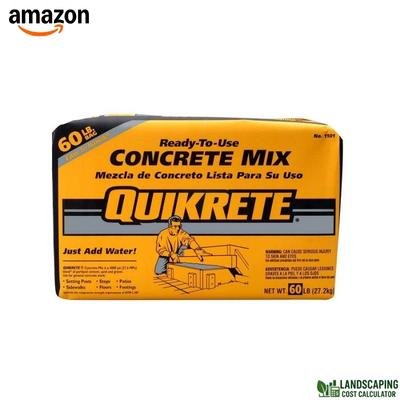
- Poured concrete ($8–$18/sq ft). Long-lasting (25–40 years), low maintenance, clean modern look. Cracks if base is weak; cracks can't be fixed invisibly. Longer cure time before use (7 days minimum).
- Concrete or clay pavers ($12–$28/sq ft). Premium curb appeal, 40+ year lifespan, individual units can be replaced. Joints need polymeric sand maintenance. Higher upfront cost.
- Gravel ($1.50–$4/sq ft). Cheapest by far. Excellent drainage, easy DIY. Migrates without solid edging, dusty in dry climates, harder to plow in snow regions.
See our driveway material side-by-side comparison for full specs on each — including how each handles snow plowing, oil drips, and chemical de-icers.
What's included in a driveway estimate?
- Demolition (if replacing) — old surface broken out and hauled away. $2–$6 per sq ft depending on material.
- Excavation — 8–14 inches of soil removed depending on the surface material and freeze depth in your area.
- Base course — 6–12 inches of compacted crushed stone. The base is the driveway. Skimping here is the #1 cause of cracking, heaving, and settling.
- Surface material — asphalt, concrete, pavers, or gravel as specified.
- Edging — concrete curbs, steel edging, or paver borders to contain the surface.
- Drainage features — slope grading, drains, or French drains if needed.
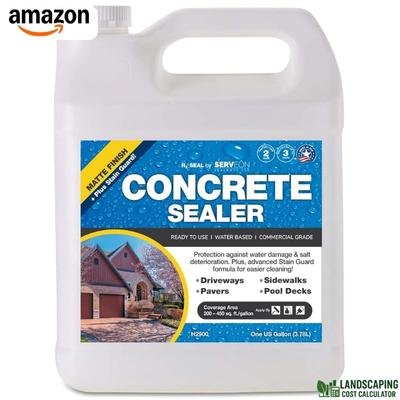
- Sealing — initial sealcoat for asphalt, sealer for concrete or pavers if specified.
The driveway installation timeline
A standard two-car driveway typically takes 4–10 days depending on material:
- Asphalt: Day 1 demolition, Day 2 base, Day 3 pour + roll, Days 4–14 cure. Drive on after 24–48 hours; park heavy vehicles after 14 days.
- Concrete: Day 1 demolition, Day 2 base, Day 3 forms + reinforcement + pour, Days 4–10 cure. Walk after 24 hours; drive after 7 days; full strength at 28 days.
- Pavers: Day 1 demolition, Day 2 base, Day 3 setting bed + edging, Days 4–6 laying + cutting, Day 7 polymeric sand + compaction. Drive next day.
- Gravel: 1–2 days total. Drive immediately.
What drives driveway cost up or down?
- Base depth. Cold climates need deeper bases (8–12 inches) to handle freeze-thaw. Warm climates can use 6 inches. The difference is real money.
- Slope. Steep driveways need more material, sometimes reinforced concrete with rebar, and may require steps or rumble strips at the bottom.
- Width. Single-car driveways (10 ft wide) are baseline. Double-car (18–20 ft) and circular driveways cost more in proportion to square footage.
- Existing surface removal. Adds $2–$6 per sq ft for demolition and hauling.
- Permits and inspections. Almost every driveway replacement requires a permit. Costs vary by city — $50 to $500 typical. Curb cuts (where the driveway meets the street) often need a separate permit.
- Regional pricing. The calculator applies your state's labor multiplier — driveways in California and the Northeast run 30–40% above the U.S. average.
Driveway mistakes that cost you later
- Skimping on the base. A 3-inch base "to save money" guarantees a cracking, heaving driveway in 3–5 years. The base is structural — don't negotiate this layer.
- Wrong drainage. A driveway with no slope or wrong slope pools water that freezes in winter and cracks the surface. 1/4" per foot of slope is the minimum.
- Skipping the sealcoat on asphalt. Unsealed asphalt oxidizes from UV and water, and shortens lifespan by 30–50%. First sealcoat at year 1–2, then every 2–4 years.
- Sealing too early on concrete. Sealer before concrete cures (28 days) traps moisture and causes flaking. Wait the full month.
- No expansion joints. Concrete slabs over 10 ft need control joints. Without them, concrete cracks on its own schedule.
- Plowing damage in year 1. Snow plows can chip new concrete or asphalt edges. Mark edges clearly and ask plows to lift before they reach your driveway.
Driveway cost FAQs
What's the cheapest driveway material?
Gravel at $1.50–$4 per sq ft is the cheapest. It needs annual top-ups and good edging. Asphalt at $4–$10 per sq ft is the cheapest permanent option.
Is concrete or asphalt better for cold climates?
Asphalt handles freeze-thaw better than concrete because it flexes — but it needs more frequent sealcoating. Concrete cracks if installed over a weak base in cold climates. A proper deep base (10–12 inches) makes either material work well.
How long does a new driveway last?
Asphalt 15–25 years with regular sealcoating. Concrete 25–40 years. Pavers 40+ years. Gravel 10–20 years with annual top-ups. Lifespan depends mostly on base quality and drainage.
Can I install a driveway myself?
Gravel and basic asphalt overlays are DIY-friendly with the right rented equipment. Poured concrete and paver driveways really need professionals — the base prep, finishing, and drainage work demand experience.
How much does it cost to seal my asphalt driveway?
Professional sealcoating runs $0.15–$0.30 per sq ft (about $90–$180 for a 600 sq ft driveway). DIY with bucket sealer is about half that. Seal year 1–2, then every 2–4 years.