



Complete guide
How much does a full backyard renovation cost?
A complete backyard makeover in the U.S. typically runs $8–$25 per square foot as a blended average — meaning a 2,000 sq ft backyard transformation lands between $16,000 and $50,000 depending on the mix of lawn, hardscape, planting, and features. This guide explains how to think about a full-yard budget, which elements give you the biggest return, and how to phase the project intelligently when the total exceeds what you want to spend right now.
What "full backyard" actually means in a cost estimate
A full backyard renovation usually combines elements from every other calculator on this site:
- Softscape — new lawn (sod or seed), planting beds, trees, shrubs.
- Hardscape — patio, walkways, retaining walls, edging.
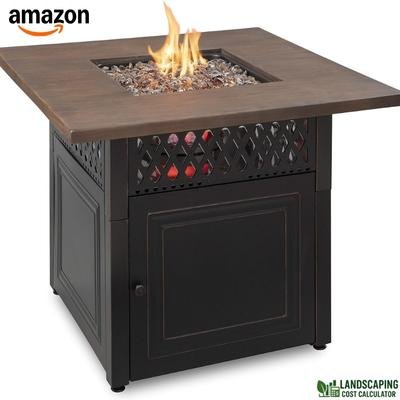
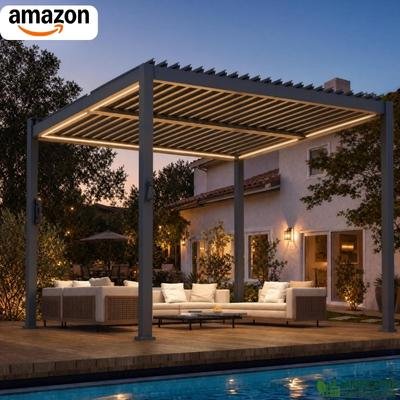
- Features — pergola, firepit, outdoor kitchen, water feature.
- Infrastructure — drainage corrections, lighting, irrigation.
- Cleanup and prep — demolition of existing surfaces, soil remediation, hauling.
The full backyard calculator above lets you toggle each element on or off, so the estimate matches your actual scope. For deeper specs on any individual element, the dedicated calculators (lawn, garden, patio, pool deck, driveway, deck, pathway) go into more detail and use the same pricing methodology.
How to think about a full-yard budget
Industry rules of thumb for residential landscape investment:
- Light refresh ($5–$10 per sq ft of yard). New lawn, some plantings, minor cleanup. No new hardscape or features.
- Mid-range transformation ($12–$22 per sq ft). New lawn + garden beds + a patio + walkways + basic lighting. The most common scope for typical homeowners.
- Premium overhaul ($25–$50+ per sq ft). All of the above plus a pergola, firepit, outdoor kitchen, water feature, irrigation, and design fees.
Landscape architects often suggest budgeting 5–10% of your home's value for full-yard renovations. On a $400,000 home that's $20,000–$40,000 — which lines up with the mid-range transformation budget above.
Where the money actually goes
For a typical mid-range backyard renovation, the spend distribution looks roughly like this:
- Hardscape (patio, paths, walls) — 40–55% of the total. The single biggest line item in most projects.
- Softscape (lawn, beds, plants) — 20–30%.
- Features (pergola, firepit, etc.) — 10–25% depending on choices.
- Site prep, demolition, drainage — 5–15%.
- Design and project management — 0–10% (only on projects using a landscape architect).
If you're trying to control the budget, the patio is almost always where most savings can be found — either by reducing square footage or by choosing concrete over pavers. Our paving material comparison shows the dollar impact of each choice.
The phased approach — getting started without paying for everything at once
Most full-yard projects don't have to happen in one summer. A smart phased plan looks like this:
- Phase 1 (now) — site prep, drainage corrections, lawn, primary patio. The "bones" of the yard. Use the calculator's phased planner to see Phase 1 vs Phase 2 totals.
- Phase 2 (next year or season) — garden beds, walkways, lighting. Adds visual richness once the bones are in.
- Phase 3 (when budget allows) — pergola, firepit, outdoor kitchen, water feature. The premium features that don't affect basic function.
The result page on this calculator includes a Phase 1 / Phase 2 toggle on each line item, so you can model phasing right inside the estimate.
The 6-month typical timeline for a full backyard
- Weeks 1–3: Design and planning. Site analysis, plant plan, hardscape layout, permits filed. Skip this and you'll regret it.
- Week 4: Permit approval. Most municipalities take 2–4 weeks.
- Weeks 5–6: Demolition and grading. Old surfaces broken out, drainage corrections made, rough grading.
- Weeks 7–10: Hardscape installation. Patios, walkways, retaining walls, pergola.
- Weeks 11–13: Irrigation and lighting. Pipes and wires before plants and lawn.
- Weeks 14–16: Softscape. Soil amendment, sod, garden beds, mulch.
- Weeks 17+: Establishment. Lawn roots; plants settle. Punch list cleanup.
Five things that quietly inflate a full-yard budget
- Drainage surprises. Half of older yards have drainage issues — pooling water, basement leaks, soil saturation. These get found during excavation. Budget 10% contingency for drainage work.
- Bigger plants than the design called for. "Let's upgrade to 3-gallon instead of 1-gallon" on 40 perennials can add $400–$600. Stick to the plan unless the upgrade is truly worth it.
- Material upgrades mid-project. Once construction starts, switching from concrete to pavers feels like a small change but doubles the patio cost.
- Lighting added at the end. Hardwired lighting installed AFTER the patio is poured costs 3× what it would have during construction. Plan lighting up front.
- Removal costs underestimated. Concrete demolition, tree removal, and trash hauling can add 5–10% of the project budget if old infrastructure is more substantial than it looked.
Full backyard cost FAQs
How much does it cost to landscape a backyard?
A typical mid-range full backyard renovation runs $12–$22 per square foot, or $24,000–$44,000 for a 2,000 sq ft backyard. Light refresh projects can be done for $10,000–$20,000; premium overhauls reach $50,000–$100,000.
What percentage of home value should I spend on landscaping?
Landscape architects suggest 5–10% of home value for full-yard renovations. On a $400,000 home that's $20,000–$40,000. ROI estimates suggest you recover 60–100% of landscape investment in home value if you stay 5+ years.
How long does a full backyard renovation take?
Plan for 4–6 months total: 3–4 weeks design and permits, 8–10 weeks construction, then several weeks for plants and lawn to establish. Larger projects with major hardscape or features can stretch to 9 months.
Should I phase a backyard project or do it all at once?
If your budget supports the full project, doing it all at once is more cost-efficient — crews can sequence work, no rework, single mobilization. Phasing makes sense when budget is the constraint; aim for "bones in phase 1, features in phase 2."
Do I need a landscape architect for a full backyard?
For projects over $25,000–$30,000, a designer or architect typically pays for itself in better plant choices, more efficient hardscape layout, and fewer mid-project changes. Below that, a good landscape contractor can usually handle design too.
Can I DIY parts of a full backyard project?
Smart hybrid: hire pros for hardscape (patios, walls, drainage) and plant the softscape yourself. You save 40–50% on the softscape labor without compromising the structural work.