


Complete guide
How much does it cost to install a new lawn?
Installing a new lawn typically runs $1.80–$2.80 per square foot for sod in the United States — meaning a standard 800 sq ft front lawn lands between $1,440 and $2,240 before site prep, regional pricing, and tier choices. This guide walks you through every cost driver, the step-by-step installation process most contractors follow, the four main lawn installation methods compared honestly, and the mistakes that quietly inflate the bill. The lawn cost calculator above gives you a personalized number — this guide gives you the context to trust it.
What's included in a typical lawn installation estimate?
A complete sod installation or lawn renovation isn't just the grass itself. When you compare contractor quotes, every reasonable estimate covers six categories of work, and missing items are the most common reason quotes differ by 30% or more:
- Site preparation — clearing, weed killing, tilling, soil amendment, and final grading so water drains away from the house.
- Topsoil and soil amendments — usually 1–2 inches of fresh topsoil mixed with compost; clay-heavy yards need more.
- Grass material — either sod rolls, seed, or hydroseed slurry, depending on the installation method (more on these below).
- Installation labor — laying sod, raking, rolling, edging.
- Initial irrigation — first watering, sometimes a temporary sprinkler if your yard has no existing system.
- Debris removal — old turf, soil, and packaging hauled off site.
If a quote doesn't itemize these, ask. The 12 questions to ask before signing a contract covers exactly how to get an itemized written quote, which our research shows is the single biggest predictor of project satisfaction.
Sod vs. seed vs. hydroseed vs. artificial turf — which is right for you?
The four most common ways to install a new lawn vary by upfront cost, time to a usable yard, and long-term maintenance. Here's the honest comparison:
- Sod (rolled turf) — $1.50–$3 per sq ft installed. Instant lawn, ready to use in 2–3 weeks once rooted. Best when you need erosion control immediately or want to use the space this season.
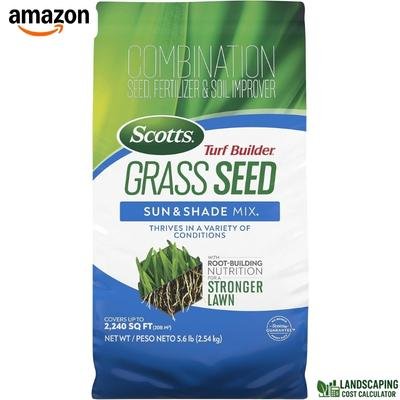
- Grass seed — $0.10–$0.40 per sq ft. Cheapest by far. Bare ground for 6–12 weeks while seed germinates and fills in. Best for large yards on a tight budget, when you can wait.
- Hydroseed — $0.50–$1 per sq ft. A slurry of seed, mulch, water, and fertilizer sprayed onto prepared soil. Better coverage than dry seed and great for slopes. Takes 4–8 weeks to establish.
- Artificial turf — $7–$18 per sq ft installed. Zero watering or mowing. Lasts 15–25 years. Best for hot climates with water restrictions, busy households, or shaded yards where real grass struggles.
Want the full spec sheet? Our side-by-side lawn material comparison covers lifespan, maintenance hours per year, climate fit, and pros/cons for each option.
Step-by-step: how a professional sod installation actually works
Understanding the process helps you spot good and bad contractors. Here's the typical 5-day timeline for a 600–1,200 sq ft front lawn:
- Day 1 — Site prep and removal. Existing grass is cut, killed with a non-residual herbicide, or stripped off with a sod cutter. Old material is hauled to a green-waste facility. Any irrigation that needs repair is flagged.
- Day 2 — Grading and soil amendment. The yard is regraded to slope away from the house at roughly 1 inch per 10 feet. Fresh topsoil (1–2 inches) is spread and tilled into the existing soil, along with compost or starter fertilizer. This is the step that separates a 25-year lawn from a 5-year lawn.
- Day 3 — Sod delivery and laying. Sod arrives on pallets and must be laid within 24 hours of harvest. Pieces are laid like brickwork — edges staggered, butted tight with no gaps — and rolled to press them firmly into the soil.
- Day 4 — First watering and edging. The whole lawn gets a deep soak (at least 1 inch of water) and edges are trimmed clean against driveways, paths, and beds.
- Days 5–14 — Establishment. Daily watering for the first two weeks while roots knit into the soil. No foot traffic during this period.
If your contractor skips Day 2 — or compresses it into a quick rake-and-go — your lawn will struggle. This is the most common corner that gets cut on cheap quotes.
What pushes lawn installation cost up or down?
Two yards of the same size can have totally different price tags. The factors that move the number most:
- Access to the back yard. If a wheelbarrow can roll through a gate, you pay the listed rate. If sod has to be carried by hand around a house, expect 15–25% more in labor.
- Existing lawn removal. A spray-and-overseed approach is cheaper than stripping old turf, but it only works if the old grass type is compatible.
- Soil condition. Hard-packed clay or rocky soil needs more amendment — sometimes raising the topsoil cost by $0.50–$1 per sq ft.
- Sod variety. Bermuda and tall fescue are widely available and economical. Zoysia, premium Kentucky bluegrass, or shade-tolerant varieties cost 30–60% more.
- Slope and drainage work. A flat yard with good existing drainage is the cheap baseline. Slopes need extra grading; poor drainage may require French drains or regrading the whole site.
- Regional labor rates. Coastal California and the Northeast pay 30–40% more than the rural South. Our lawn calculator applies a regional multiplier so the number you see reflects your area, not a national average.
Five mistakes that quietly cost homeowners more
These come up in nearly every regretted lawn project we've seen:
- Skipping the soil test. A $20–$40 soil test tells you whether your soil pH and nutrients can support the grass you want. Skipping it can mean a $2,000 lawn that yellows in year two.
- Sod from the wrong climate zone. Cool-season grasses (fescue, Kentucky bluegrass) struggle in southern summers; warm-season grasses (Bermuda, Zoysia) go brown in northern winters. Match the sod to your climate zone, not what's on sale.
- Watering by schedule, not by need. Newly laid sod needs deep daily watering for 2 weeks, then tapering. Set-it-and-forget-it sprinklers either drown the lawn or starve it.
- Walking on the lawn too early. Foot traffic in the first 2 weeks shears the new roots. Mark off the area with stakes and string if you have kids or pets.
- Mowing too short, too early. First mow shouldn't be sooner than 14 days. Cut to 3 inches the first time, not the 2 inches you might prefer for looks — root depth matches mowing height.
Pair this with our contractor-question checklist before you hire, and you'll skip 80% of the common pitfalls.
Lawn cost calculator FAQs
How much does new sod cost per square foot?
Across the U.S., installed sod runs $1.50–$3.00 per square foot for common varieties like Bermuda, Fescue, and Kentucky bluegrass. Premium varieties (Zoysia, certified shade-tolerant blends) reach $3.50–$5 per square foot. Materials alone are roughly half of that — the rest is site prep and labor.
Is sod cheaper than seed?
No — sod costs 4–8× more than seed up front. Seed runs roughly $0.10–$0.40 per square foot installed; sod runs $1.50–$3. You pay the premium for an instant usable lawn, immediate erosion control, and a much higher success rate. For a 5,000 sq ft yard the difference is $500 vs $10,000+.
How long does new sod take to root?
Roots begin anchoring within 2 weeks if watered correctly (deep daily watering, not light sprinkling). Full establishment — meaning you can mow normally and use the lawn — takes 4–6 weeks. Northern climates installed in fall may need to wait until spring before heavy traffic.
Can I install sod myself to save money?
You can save 40–50% on labor by handling installation yourself, but only if you handle the prep correctly. Sod must be laid within 24 hours of delivery and watered immediately. DIY works well for areas under 1,000 sq ft on flat, easy-access yards; bigger jobs or sloped sites are tough without the right equipment.
How long does a sod lawn last?
A properly installed sod lawn lasts indefinitely with normal maintenance — mowing, fertilizing seasonally, aerating every 2–3 years, and watering during drought. Lawns fail mainly from poor soil prep, wrong grass for the climate, or disease, not from "wearing out."
What's the cheapest way to renovate a tired lawn?
If at least 50% of your existing grass is healthy, overseeding combined with aeration and top-dressing costs $0.30–$0.70 per sq ft — far less than full replacement. If less than 50% is healthy, full replacement (kill, strip, sod or hydroseed) is usually the better long-term value.
Does the lawn calculator include design fees?
No — the lawn cost calculator focuses on installation only. Landscape design fees range from $50–$150/hour or a flat 10–15% of the project total for residential work. We document our methodology fully on the how we calculate this page.
Related calculators and guides
Most yards aren't just lawn — they're a mix. If you're planning a bigger project, these companion calculators stay consistent with the same pricing methodology: