
Complete guide
How much does a walkway or garden path cost?
A walkway or garden path typically runs $10–$30 per square foot in the U.S. — meaning a standard 4-foot-wide × 25-foot path (100 sq ft) lands between $1,000 and $3,000. This guide covers the materials worth considering, the prep that determines whether your path holds up or sinks into the ground, and the design choices that turn a functional walkway into something that actually adds to your yard.
Pathway material options
- Concrete or clay pavers ($16–$30/sq ft). The most popular choice. Premium look, individual unit replacement, 40+ year lifespan. Joints need polymeric sand.
- Stamped concrete ($14–$28/sq ft). Mimics pavers or flagstone at lower cost. Cracks visibly over time.
- Poured concrete ($8–$15/sq ft). Cheapest permanent option. Plain look. Cracks unfixable invisibly.
- Natural flagstone ($18–$32/sq ft). Each piece unique. Either dry-laid on sand or wet-set in mortar. Beautiful organic look. 50+ year lifespan.
- Gravel or decomposed granite ($6–$12/sq ft). Cheapest option. Excellent drainage. Migrates without solid edging. Needs annual top-up.
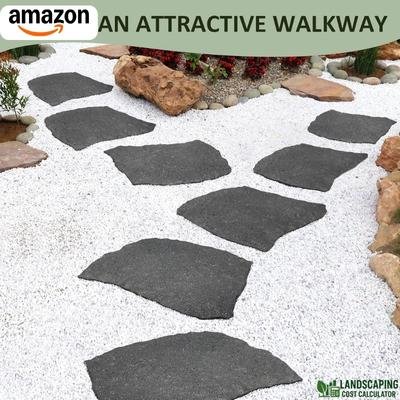
- Stepping stones (~$5–$15 per stone). Discrete pads through a lawn or bed. Lowest material cost; not weather-tight.
What's in a pathway installation?
- Layout. Stakes and string or a garden hose mark the path shape. Curves should be gentle — sharp angles are awkward to walk.
- Excavation. 4–8 inches of soil removed depending on the surface material.
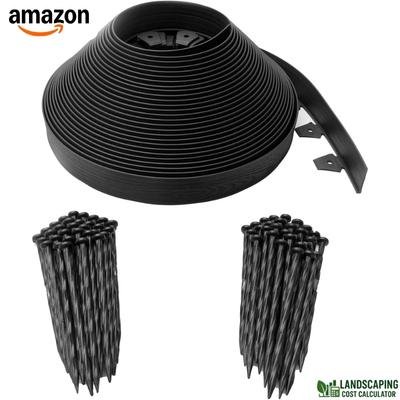
- Edge restraint. Plastic, aluminum, or steel edging holds the path together. Skipping this is the #1 cause of paths migrating and weeds invading.
- Base course. 3–4 inches of compacted crushed stone. Less depth than a patio because foot traffic is lighter.
- Setting bed. 1 inch of bedding sand for pavers; mortar bed for wet-set flagstone.
- Surface laying. Pavers or stone placed in the chosen pattern.
- Jointing. Polymeric sand swept into paver joints; mortar packed into flagstone joints.
What changes the cost of a pathway?
- Width. 3 feet works for single-file walking. 4–5 feet is comfortable for two people side by side. Each extra foot of width adds 25–33% to the total.
- Length and shape. Straight paths cost less per square foot. Curves and switchbacks add cuts and labor — typically 10–20% more.
- Pattern complexity. Running bond is cheapest. Herringbone, circle kits, and custom inlays cost 15–30% more in labor.
- Site access. If a wheelbarrow can reach the path, you pay standard rates. Hand-carrying materials adds labor cost.
- Slope. Pathways on slopes may need steps or terracing. Each step adds $80–$200.
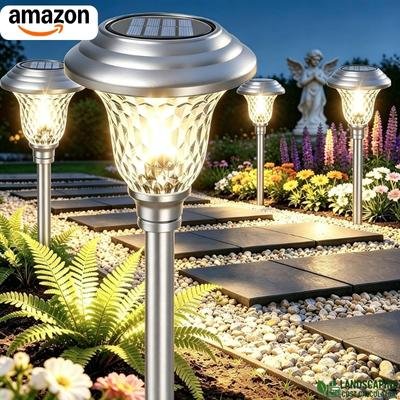
- Lighting and edging upgrades. Solar path lights, low-voltage lighting, or decorative paver borders add to the total.
Five pathway mistakes to avoid
- Skipping edge restraint. Without edging, pavers shift and weeds invade. This is the most common mistake on DIY pathways.
- Going too narrow. 18-inch paths look quaint but feel cramped. 36 inches is the minimum for a comfortable single-file walking; 48 inches if two people will walk together.
- Sharp corners. 90-degree turns force people off the path. Curves of 18+ inch radius feel natural.
- Wrong slope. Path should slope slightly to one side (1/4" per foot) so water sheds. Flat paths puddle.
- Stones too far apart. Stepping stone spacing should match a comfortable stride — 24 inches center-to-center. Wider feels awkward, especially for kids and older walkers.
Pathway cost FAQs
How much does a paver walkway cost per square foot?
Concrete or clay pavers run $16–$30 per square foot installed for a walkway. Includes excavation, base, setting bed, pavers, edging, and polymeric sand.
Is a gravel pathway cheaper than pavers?
Yes — gravel runs $6–$12 per sq ft vs $16–$30 for pavers. The trade-off: gravel needs annual top-ups, doesn't work well in snow regions, and is harder to walk in heels.
How wide should a garden path be?
3 feet (36 inches) for single-file walking. 4 feet (48 inches) for two people side by side. Main approach paths to the front door should be 4–5 feet wide.
Can I install a path myself?
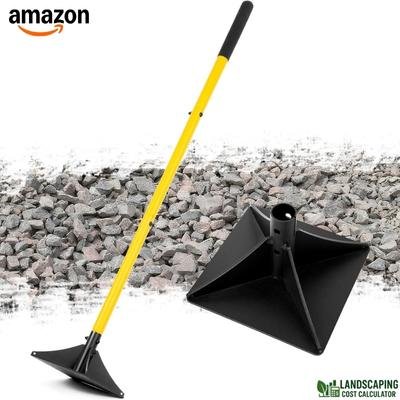
Pathways are one of the most DIY-friendly hardscape projects, especially with gravel or dry-laid pavers. Plan to rent a plate compactor for the base. The main steps that go wrong on DIY paths: skipping the base depth and skipping edge restraint.
How long does a paver pathway last?
40+ years with proper base prep. The pavers themselves outlast that — failures come from base settling or edging giving way. Polymeric sand needs renewal every 8–12 years.